


Selling a home in Rutherglen?
You’ll need an up-to-date Home Report available to potential buyers when you put your property on the market.
We provide Home Reports across Rutherglen, with clear reporting and practical guidance throughout the process.
Quick Answers about selling a home in Rutherglen
Do I need a Home Report to sell in Rutherglen?
Most homes sold in Scotland require a Home Report, with some exceptions (e.g., private sales not listed on the market). The seller or their agent must provide it.
How old can the Home Report be?
When a property is put on the market, the Home Report must be no more than 3 months old.
What’s included?
A Home Report has three parts:
Single Survey
Energy Report
Property Questionnaire
Get in touch for a quote now

Local Market Snapshot
Rutherglen has an array of residential property types. There are council-built homes in places but given the history of the area, there are some fantastic red and white sandstone Georgian and Victorian villas, as well as spacious terraces, plus a host of more modern 3 and 4-bedroom bungalows with spacious gardens. The average price for property in Rutherglen stood at £178,824 in January 2025. Though different property types in Rutherglen have had different average selling prices over the last 12 months: £297,743 for detached properties, £265,307 for semi-detached, £186,525 for terraced, and £131,145 for flats.
However, there can be quite a range, and it is not uncommon for larger properties to sell from well over £300,000 up to £500,000 for exceptional cases. Likewise, larger, modern family homes regularly sell anywhere between the £300,000 and £400,000 range, with some achieving even higher selling prices depending on the area, gardens, and finish or additions.
East Kilbride Office Details
Shepherd Chartered Surveyors — East Kilbride
65-67 Strathmore House, The Plazza, East Kilbride Shopping Centre, East Kilbride, G74 1LF
Opening Hours
Monday – Thursday: 8.45am to 5.30pm
Friday: 8.45am to 5pm
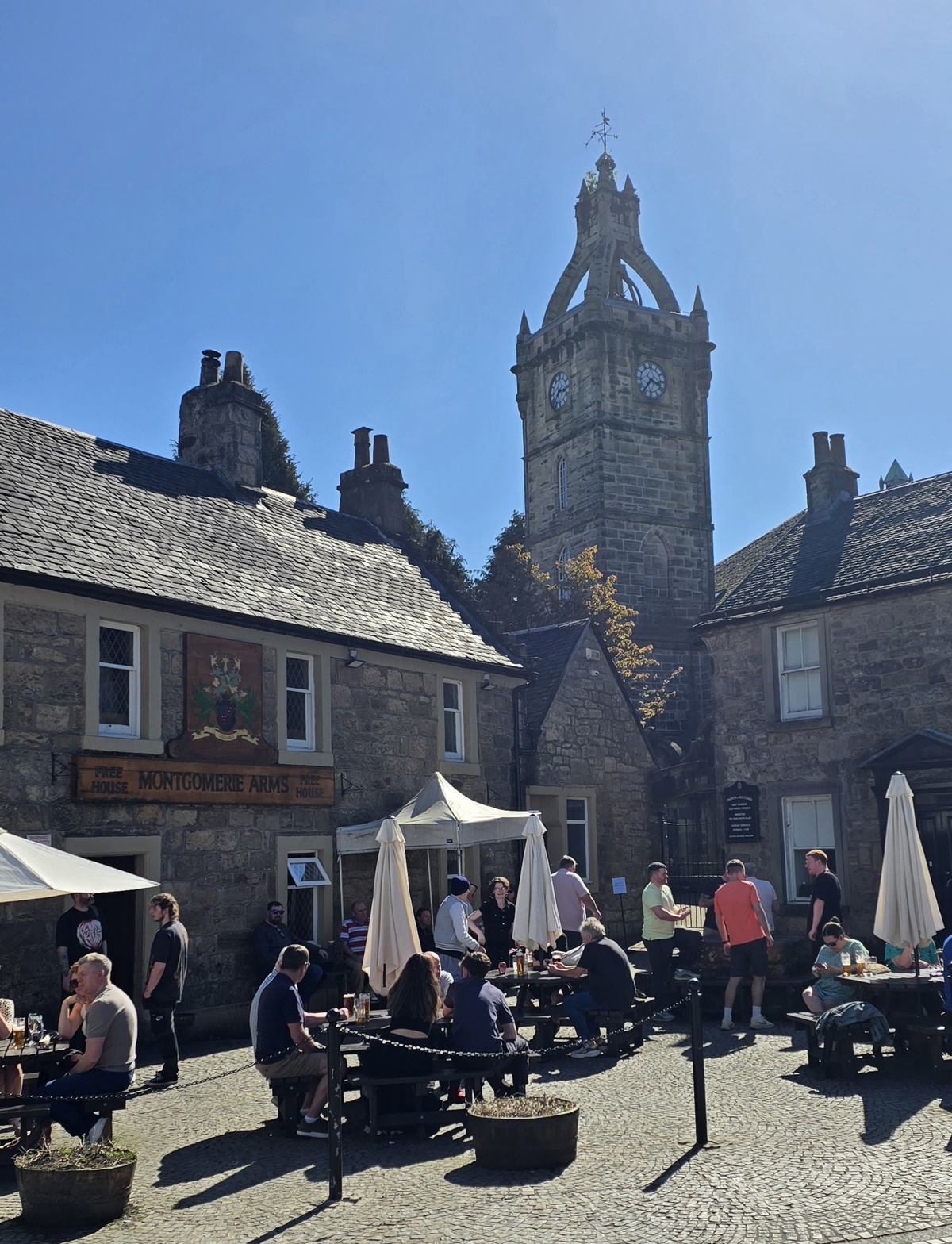
Why local knowledge matters
The town of Rutherglen in South Lanarkshire has existed in its own right for well over 1000 years. One of Scotland’s oldest royal burghs, the award made the town an important centre for trade. The town even played a role in the Wars of Independence, with Rutherglen Castle changing hands between the Scots and English several times before the last remnants disappeared in the 18th century.
Prior to the 19th century, the town was mostly known as a weaving and mining village. However, as the industrial revolution beckoned Rutherglen changed to a more industrial area with its own shipyard, that produced many of the paddle steamers including the famous Clutha ferry boats that took commuters up and doon the River Clyde.
The town today is really a suburb of Glasgow, despite being administratively part of South Lanarkshire, and the area’s third-largest town. Even though it is just three miles from Glasgow City Centre, the town has a self-contained, almost village-like vibe. The rather broad main street – a legacy of horse fairs that once took place – has many amenities including a shopping centre, banks, pubs, and a fair few local takeaways. The prominent Rutherglen Town Hall – originally constructed in 1862 and following a £12.5m refurbishment this grade A listed site – reopened in 2005 and is now a vital part of the community. Following its highly successful renovation, the Town Hall now houses an award-winning Cafe, runs a variety of performances from dramatic plays to musicals to kids shows, can be hired for events such as meetings, conferences and wedding receptions. Shawfield Greyhound Stadium is also nearby for the chance to watch regular dog racing. While technically not in Rutherglen, the Cathkin Braes Golf Course is nearby and is a challenging moorland course.
Rutherglen is served by a regular train service directly to Glasgow Central Station. The area is also well served by buses too, again into Glasgow city centre or further into South Lanarkshire and elsewhere.
In terms of education, there are a number of primary and secondary schools in and nearby Rutherglen serving the wider conurbation of Rutherglen, Cambuslang, Burnside, and other areas. Loch Primary and Cathkin Primary are feeder schools for Cathkin High School which is located at Whitlawburn just outside the Rutherglen boundaries and is primarily the secondary school for Cambuslang. Conversely, two schools located in Cambuslang (James Aiton and Park View) are feeders for Stonelaw High in Rutherglen, as is Toryglen Primary in Glasgow plus Bankhead, Burgh, Burnside, Calderwood and Spittal Primaries within the burgh. Trinity High – which St Anthony’s, St Mark’s and St Columbkille’s Primaries are affiliated – is the only Catholic secondary school for both towns, as is the case for Rutherglen High School.
What do you get in a Home Report?
Single Survey
A professional inspection that provides a snapshot of the property’s condition at the time of inspection, with clear condition ratings and notes.
Energy Report (includes EPC)
An overview of energy performance and emissions, plus recommended improvements. If you’re producing a Home Report, the EPC is included within it.
Property Questionnaire
Completed by the seller, covering practical information a buyer needs (for example, council tax band, utilities, parking, alterations and factoring arrangements where relevant).
How it works
Request a quote
Via online form
Book the inspection
Arranged at a suitable time for you
Survey completed
By a qualified RICS surveyor
Home Report issued
Ready to share with your prospective buyers
Shepherd tip: What affects the cost?
FAQs
Frequently asked questions about Residential Services
Most homes marketed for sale in Scotland need a Home Report, but there are exceptions (for example, certain private sales not put on the market).
Yes — if you’re producing a Home Report, the EPC is included as part of it.
Not necessarily. Access can often be arranged via your selling agent, keysafe, or other agreed method.
The report may recommend specialist checks for particular issues. If that happens, we’ll explain what it means and what people usually do next.
“”