


Selling a home in Rothes?
You’ll need an up-to-date Home Report available to potential buyers when you put your property on the market.
We provide Home Reports across Rothes, with clear reporting and practical guidance throughout the process.
Quick Answers about selling a home in Rothes
Do I need a Home Report to sell in Rothes?
Most homes sold in Scotland require a Home Report, with some exceptions (e.g., private sales not listed on the market). The seller or their agent must provide it.
How old can the Home Report be?
When a property is put on the market, the Home Report must be no more than 3 months old.
What’s included?
A Home Report has three parts:
Single Survey
Energy Report
Property Questionnaire
Get in touch for a quote now

Local Market Snapshot
In September 2025, property in the Rothes area has an average value of £149,322. Rothes has a layered, small-scale housing mix. The historic core along High Street and New Street is characterised by late-18th/19th-century stone cottages and terraces with some period villas/municipal buildings—an imprint of the planned township laid out from 1766—while surrounding streets carry a good share of inter- and post-war semis and bungalows, with later cul-de-sac infill and one-and-a-half-storey family homes.
Elgin Office Details
Shepherd Chartered Surveyors — Elgin
Park House Business Centre, South Street, Elgin, Moray IV30 1JB
Opening Hours
Monday – Friday: 9:00am to 5:00pm
Why local knowledge matters
Set on the west bank of the River Spey and overlooked by the forested slopes of Ben Aigan, Rothes is a compact Speyside settlement of roughly 1,100 residents with a working-village feel, shaped by whisky and the river. It sits about 10 miles south of Elgin on the A941, with Aberlour roughly 5 miles to the south, Craigellachie around 3 miles, Dufftown about 7–8 miles by road, and Keith approximately 11–12 miles to the east.
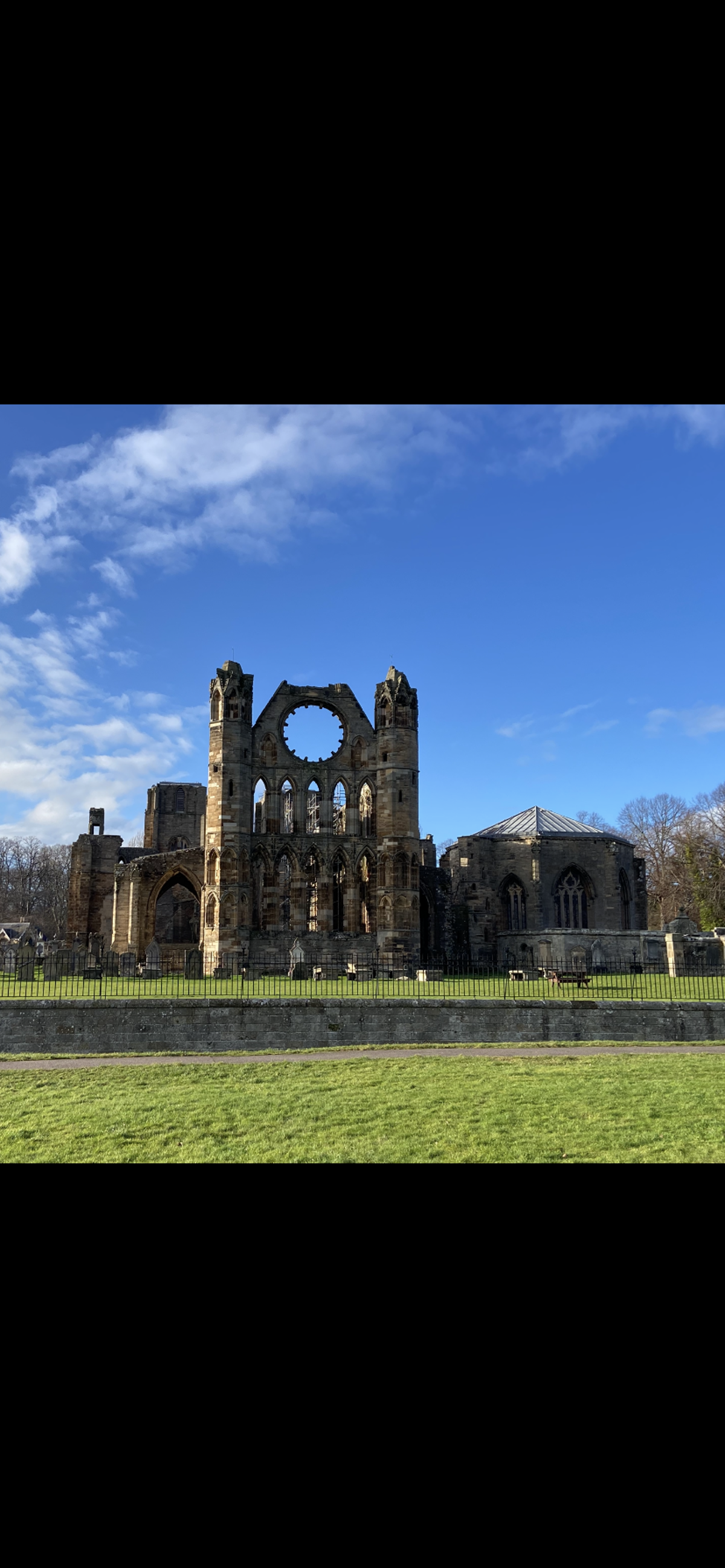
Rothes’ story stretches back many centuries. The remains of 13th-century Rothes Castle still command the south end of the High Street, a reminder that the route along Strathspey has long been strategic. Later planned development in the 18th century set the basic street pattern that endures today, with High Street the spine of the village. More recently, Rothes has invested in resilience: a flood-alleviation scheme completed in 2011 reduced river risk to the settlement and its businesses.
The local economy today is synonymous with distilling and its supply chain. Four working distilleries—Glen Grant (with its popular tours and gardens), Glen Spey, Speyburn and The Glenrothes—either sit in or immediately around the village, employing directly and supporting everything from warehousing to haulage and cooperage. Forsyths, the renowned still-maker with its Morayshire Copperworks base in Rothes, is another anchor employer whose fabrication skills are exported worldwide. Whisky-related projects continue to invest locally—for example, maturation warehousing adjacent to The Glenrothes has been progressing through planning—while the wider landscape also hosts onshore wind (the Rothes III extension sits a few kilometres to the west). All told, Rothes works hard during the week and welcomes visitors at the weekend. Indeed, visitors and general tourism flow directly through the village with the Malt Whisky Trail, nearby Craigellachie Bridge, and a network of walking and cycling paths along the Spey.
When it comes to transport and connectivity for residents and commuters, connections are straightforward for a rural location. The A941 threads north to Elgin and south to Craigellachie and Dufftown, meeting the A95 for Keith and the A96 corridor beyond. Regular Stagecoach services (typically the 36) link Rothes with Elgin, Aberlour and Dufftown through the day; typical journey times are about 13 minutes to Aberlour and around half an hour to Dufftown. There’s no local rail stop; the nearest stations are Elgin (about 9½ miles) and Keith (about 11½ miles) on the Aberdeen–Inverness line, so commuting by car or bus remains the norm.
In terms of local amenities, day-to-day needs are covered mostly by High Street and New Street with local supermarkets, Post Office and basic banking services. Healthcare is anchored by Rothes Pharmacy and the branch GP at Rothes Medical Centre (part of the Maryhill Group Practice), with hospital care at Dr Gray’s in Elgin. Community touchpoints include the volunteer-run Rothes Visitor Centre, along with local halls and churches that host regular groups and events.
And as for things to do locally, Rothes has doorstep access to the long-distance Speyside Way and forestry trails on Ben Aigan, while the 13th-century Rothes Castle offers an easy climb and views over the valley. Whisky experiences are on the doorstep: Glen Grant’s visitor centre runs weekday tours and Speyburn offers bookable behind-the-scenes tours most days. Hands-on whisky craft is five minutes away at the Speyside Cooperage Visitor Centre in Craigellachie, with Craigellachie’s cast-iron Telford Bridge just along the valley. Local sport centres on Highland League matchdays at Mackessack Park, home of Rothes FC, and there’s a friendly nine-hole round at Rothes Golf Club. For food and drink, The Station Hotel on New Street offers bistro and restaurant dining alongside an impressive whisky and gin bar.
As for local education, Rothes Primary on Green Street serves the village and feeds to Speyside High School in nearby Aberlour, a short hop along the valley. Early years provision and out-of-school care options are available through Moray Council and local providers in this catchment.
What do you get in a Home Report?
Single Survey
A professional inspection that provides a snapshot of the property’s condition at the time of inspection, with clear condition ratings and notes.
Energy Report (includes EPC)
An overview of energy performance and emissions, plus recommended improvements. If you’re producing a Home Report, the EPC is included within it.
Property Questionnaire
Completed by the seller, covering practical information a buyer needs (for example, council tax band, utilities, parking, alterations and factoring arrangements where relevant).
How it works
Request a quote
Via online form
Book the inspection
Arranged at a suitable time for you
Survey completed
By a qualified RICS surveyor
Home Report issued
Ready to share with your prospective buyers
Shepherd tip: What affects the cost?
FAQs
Frequently asked questions about Residential Services
Most homes marketed for sale in Scotland need a Home Report, but there are exceptions (for example, certain private sales not put on the market).
Yes — if you’re producing a Home Report, the EPC is included as part of it.
Not necessarily. Access can often be arranged via your selling agent, keysafe, or other agreed method.
The report may recommend specialist checks for particular issues. If that happens, we’ll explain what it means and what people usually do next.
“”